The ROI of Growth Systems For B2B: Measuring success effectively
Unlock Performance and Growth With AI Automation for B2B Business
AI automation is changing the landscape for B2B firms. It reduces and improves procedures dependence on human treatment. This change allows companies to make quicker, data-driven choices. As companies explore which processes to automate, they have to also think about the right devices to carry out. Difficulties stay in taking on AI modern technology. The implications of these changes could shape the future of numerous business in methods yet to be completely comprehended.
Comprehending AI Automation in the B2B Context
As services significantly look for effectiveness, recognizing AI automation in the B2B context ends up being essential. AI automation involves using innovative modern technologies to simplify procedures, lower human treatment, and improve decision-making processes. In the B2B landscape, this can materialize in various forms, such as automating client service communications, handling supply chain logistics, or enhancing advertising campaigns. Companies can take advantage of AI to analyze huge datasets promptly, allowing them to determine trends and insights that educate calculated options. Furthermore, AI systems can incorporate effortlessly with existing innovations, offering a natural platform for managing organization features. This understanding prepares for organizations to check out exactly how AI can transform their operations, improve productivity, and inevitably foster sustainable development in an open market.
Key Benefits of Implementing AI Automation
Identifying Processes Appropriate for Automation
Exactly how can B2B business successfully recognize procedures ideal for automation? A systematic method starts with drawing up existing process to identify taxing and recurring jobs. These jobs usually include data entrance, invoicing, and customer follow-ups. Companies ought to examine the frequency and volume of these processes, as high-frequency tasks offer the best possibility for performance gains. Furthermore, examining the capacity for error reduction and resource appropriation can highlight locations ripe for automation. Involving workers in discussions can also provide understandings right into which processes hinder productivity. Finally, business ought to consider the placement of automation with their calculated goals, guaranteeing that the identified procedures add to overall organization purposes, eventually facilitating smoother procedures and improved growth.
Selecting the Right AI Tools for Your Business
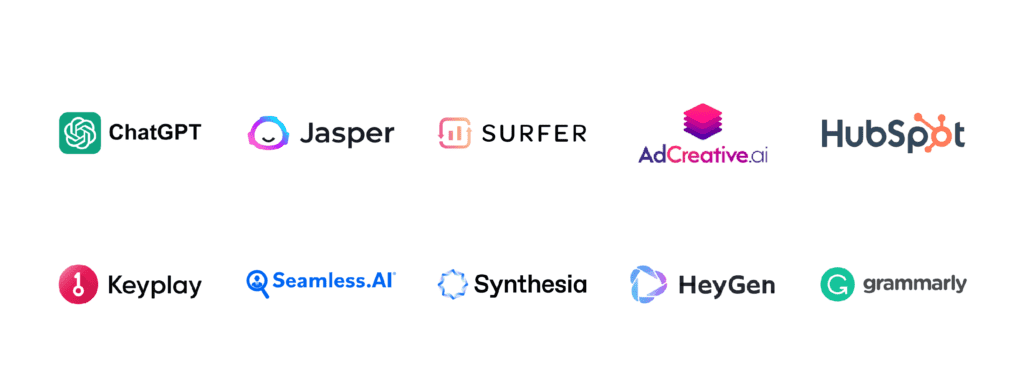
When B2B firms take into consideration automating their procedures, choosing the right AI devices ends up being vital for attaining preferred end results. Business should begin by evaluating their special needs and purposes, guaranteeing placement with company objectives. Reviewing the versatility, assimilation, and scalability capacities of potential tools is critical, as these aspects establish long-lasting efficiency (B2B Growth Consulting). Organizations needs to also think about user-friendliness and the level of assistance given by suppliers, as these elements can impact successful implementation. Furthermore, assessing client reviews and instance research studies can offer understandings into how certain AI services perform in real-world circumstances. By thoroughly selecting AI devices that fit their operational needs, B2B business can enhance performance and drive growth while minimizing possible disturbances
Getting Rid Of Obstacles in AI Fostering
B2B business frequently experience considerable challenges in taking on AI modern technologies, especially problems connected to data top quality and resistance to change management. Poor data top quality can hinder the efficiency of AI systems, while staff member reluctance to accept new processes can delay implementation efforts. Resolving these challenges is crucial for successful AI combination and optimizing its possible benefits.
Information Top Quality Issues
Guaranteeing high data high quality is essential for the successful fostering of AI technologies in business-to-business environments. Unreliable, insufficient, or obsolete information can drastically impede AI initiatives, bring about incorrect insights and bad decision-making. Companies typically deal with obstacles such as information silos, variances across various sources, and a lack of standardized information layouts. To get over these concerns, companies need to buy information cleaning, assimilation, and administration procedures (Growth Systems For B2B). Applying durable data management techniques assures that the info fed into AI systems is reputable and appropriate. Moreover, cultivating a society of data top quality understanding among employees can boost information accuracy over time. By resolving data quality worries, B2B companies can release the full potential of AI automation, driving efficiency and development
Change Management Resistance
Getting over change management resistance is important for the effective application of AI initiatives within companies. Workers frequently show skepticism in the direction of AI, being afraid job variation or changes to well established process. To battle this, leadership needs to cultivate a culture of visibility and continuous understanding. Offering training and clear interaction about the benefits of AI can alleviate issues and construct count on. Involving staff members in the shift process urges collaboration and decreases resistance. Recognizing adjustment champions within teams can help with smoother acceptance of AI innovations. As companies browse this makeover, attending to sensible and emotional concerns associated with AI adoption ends up being crucial for optimizing the modern technology's possible and making certain a smooth assimilation right into existing procedures.
Gauging the Influence of AI Automation
Gauging the influence of AI automation in B2B firms calls for a clear understanding of crucial efficiency signs (KPIs) that line up with company goals. Efficient data analysis methods are crucial for translating the outcomes, while robust ROI assessment strategies help establish the monetary advantages of automation initiatives. With each other, these components offer a comprehensive framework for reviewing AI's contributions to business success.
Secret Performance Indicators
Secret performance indications (KPIs) work as crucial devices for B2B companies to assess the performance of AI automation efforts. By establishing clear metrics, companies can determine improvements in functional effectiveness, cost decrease, and income development directly attributable to automation. Usual KPIs include cycle time decrease, error rates, consumer contentment scores, and staff member efficiency levels. These indications offer understandings into just how AI systems are enhancing procedures and improving overall performance. In addition, tracking KPIs allows companies to determine areas for additional improvement and to straighten AI automation efforts with critical company purposes. Eventually, a well-defined structure of KPIs warranties that B2B business can quantitatively evaluate the effect of AI automation on their procedures and drive continuous development.
Data Evaluation Techniques
Reliable data analysis strategies play a vital role in reviewing the impact of AI automation within B2B firms. By utilizing statistical methods, companies can identify patterns and patterns in functional information, allowing them to evaluate the efficiency acquires achieved via automation. Methods such as regression evaluation check and time series forecasting supply understandings right into how AI-driven processes influence efficiency and decision-making. Minarik AI. In addition, data visualization tools can properly interact findings to stakeholders, promoting notified strategic choices. Device learning formulas can further boost analysis by anticipating future outcomes based upon historical data, offering workable insights. Eventually, these techniques allow B2B companies to determine success and maximize their AI automation efforts, ensuring positioning with organization goals and boosting general efficiency
ROI Assessment Methods
Evaluating the return on financial investment (ROI) of AI automation is vital for B2B companies looking for to recognize the monetary effects of their technical efforts. Firms can utilize various ROI evaluation strategies to assess the efficiency of AI executions. One efficient strategy involves determining price savings by comparing operational expenditures before and after automation. Furthermore, gauging productivity improvements through vital efficiency indicators (KPIs) assists quantify the benefits of AI. Client contentment metrics can also provide insights into the impact of automation on service high quality. To ensure a thorough assessment, companies ought to think about both direct abstract advantages and economic returns, such as boosted decision-making capacities and affordable benefit. This diverse examination makes it possible for B2B firms to make enlightened choices relating to future investments in AI innovation.
Future Trends in AI Automation for B2B Companies
What innovations lie in advance for AI automation in B2B firms? Arising patterns indicate a significant shift towards boosted data analytics capabilities, enabling organizations to make even more educated decisions (AI Automation For B2B). Anticipating analytics will certainly end up being progressively important, allowing firms to prepare for market modifications and customer demands. In addition, the combination of AI with Web of Things (IoT) technology is anticipated to simplify operations by providing real-time understandings and automation of processes. Business will additionally concentrate on enhancing client experiences with customized advertising driven by AI algorithms. In addition, improvements in natural language handling will assist in better interaction between customers and businesses. As these trends develop, B2B business must adapt to utilize AI automation efficiently, making certain sustained growth and affordable benefit
Frequently Asked Concerns
What Industries Advantage one of the most From AI Automation in B2B?
Production, money, healthcare, and logistics markets profit one of the most from AI automation in B2B. These industries take advantage of AI to maximize processes, improve decision-making, and enhance total operational effectiveness, driving substantial development and development.
Exactly How Does AI Automation Influence Employee Roles and Responsibilities?
AI automation reshapes staff member duties and obligations by enhancing repetitive tasks, allowing workers to concentrate on strategic efforts. This change promotes ability growth, improves efficiency, and urges partnership, ultimately driving organizational development and advancement.
What Are Usual Mistaken Beliefs About AI Automation in B2B?
Common misunderstandings regarding AI automation in B2B consist of anxieties of task loss, beliefs that AI can completely replace human judgment, and undervaluing the relevance of cooperation in between AI systems and workers for excellent outcomes. - Minarik AI
How Can Services Ensure Data Personal Privacy With AI Automation?
Businesses can ensure information privacy with AI automation by carrying out durable encryption procedures, sticking to governing compliance, carrying out normal audits, and training employees on data taking care of practices to reduce dangers and shield sensitive info. (Growth Systems For B2B)
What Are the Prices Connected With Executing AI Automation?
The expenses related to implementing AI automation include software program procurement, infrastructure upgrades, training personnel, ongoing maintenance, and potential downtime during combination. Furthermore, business might incur expenditures associated with information security and compliance procedures.
Determining the influence of AI automation in B2B firms requires a clear understanding of key performance indicators (KPIs) that align with service objectives. Key performance indications (KPIs) serve as crucial devices for B2B firms to analyze the effectiveness of AI automation initiatives. Efficient data evaluation techniques play an important function in examining the influence of AI automation within B2B companies. Reviewing the return on financial investment (ROI) of AI automation is essential for B2B companies looking for to comprehend the monetary implications of their technical initiatives. What innovations lie in advance for AI automation in B2B business?